Source Rapid Blood Hemoglobin Analyzer for Clinics, Labs, and Field Use
Compare 30 rapid blood hemoglobin analyzer models from Chinese manufacturers. Evaluate specifications like test time, precision, and memory capacity to find the right biochemical apparatus for your diagnostic needs; compare the available evidence and request quotations based on your requirements.
Key considerations
Products List


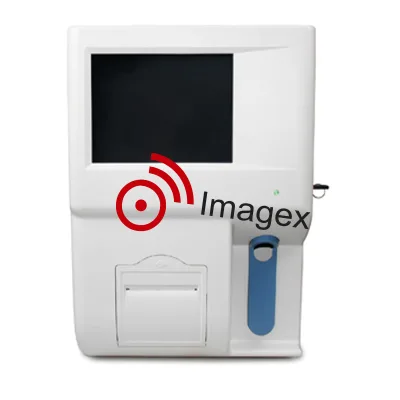
3 Part Hematology Analyzer Hematology Analyzer Blood Hemogram Hematology Analyzer
$1100.00 - $2600.00
Moq: 1




Comprehensive Sourcing Guide
Rapid Blood Hemoglobin Analyzer Sourcing Guide
Procuring a rapid blood hemoglobin analyzer requires distinguishing between general biochemical apparatus and specialized biological diagnostics designed for specific patient groups. The observed market data indicates a diverse range of models, from compact units with dimensions of 205mm130mm70mm to larger systems measuring 106cm89cm77cm, each serving different operational needs. Buyers must carefully evaluate whether the device is intended for middle-aged and elderly populations or broader clinical settings, as this influences the required precision and memory capacity.
The commercial landscape presents a significant price variance, with observed listings ranging from 8 to 15,000 USD, reflecting differences in technology, certification levels, and included accessories. While some units offer a standard delivery time of within 5-7 working days, others may have different logistical requirements based on their origin in Guangdong, China. Understanding these variations is essential for budgeting and ensuring that the selected analyzer aligns with the specific throughput and accuracy demands of your facility.
Product Scope and Observed Listing Signals
Buyers should first verify the specific classification of the device, as listings often alternate between "Biochemical Apparatus" and "Biological Diagnostics" to describe similar hardware. The product scope includes analyzers capable of testing parameters such as Hba1c, Eag, Hb, and Hct, with some models specifically named as Hemoglobin or Chemistry Analyzers. It is critical to confirm that the listed sample type matches your operational workflow, as some devices require only 7 UL of blood sample while others may have different intake requirements.
The physical specifications and packaging details provide immediate signals about the intended deployment environment. Observed models like the MSLGH12 and MS-H3000 feature distinct dimensions and packing standards, ranging from simple carton boxes to standard export packing. When evaluating a listing, cross-reference the stated weight, such as a gross weight of 15 Kg, with the physical space available in your laboratory to ensure the equipment can be installed without logistical complications.
Technical Specifications to Verify
Precision and testing time are the most critical technical metrics for a rapid hemoglobin analyzer, directly impacting patient throughput and diagnostic reliability. The market data highlights specific performance benchmarks, such as a testing time of less than 15 seconds or results delivered in under 5 seconds, alongside precision standards like CV<1.5%. Buyers must verify that the claimed precision levels, such as Level I 8.1g/L and Level II 13.9g/L, are supported by independent validation data rather than manufacturer assertions alone.
Memory capacity and measurement ranges are equally vital for maintaining comprehensive patient records and handling diverse clinical scenarios. Some units offer high memory storage for up to 999 records, while others support up to 2000 test results, ensuring data integrity over extended periods. Additionally, the measurement range, observed as 0-256g or 3.0-25.6g/Dl, must be confirmed to cover the expected hemoglobin concentrations in your target demographic, preventing the need for frequent sample dilution or re-testing.
Compliance and Safety Documentation
Certification status is a primary indicator of regulatory compliance and market readiness for medical devices. The observed listings include a variety of certifications, ranging from CE and ISO to more comprehensive sets including FDA, MSDS, and EEC. Buyers must rigorously verify that the specific model they intend to purchase holds the necessary certifications for their local jurisdiction, as the presence of one certification does not automatically validate the entire product line or specific configurations.
Safety documentation and standard compliance ensure that the device meets international quality and safety benchmarks. Products often reference specific standards, such as 31.022.015.0CM or 553671, which may relate to packaging or operational dimensions rather than safety protocols. It is essential to request the full technical file and safety data sheets to confirm that the device adheres to relevant electrical and biological safety standards, particularly for equipment originating from manufacturing hubs in China.
Cost Drivers and Commercial Terms
The final cost of a rapid blood hemoglobin analyzer is influenced by a complex mix of factors, including the level of customization, warranty duration, and the complexity of the internal technology. While some models offer a standard 12-month warranty, others may provide a 1-year warranty with different terms, affecting the total cost of ownership. Buyers should analyze whether the lower price point of 8 USD corresponds to a basic unit with limited features or a high-end system with advanced capabilities and extended support.
Commercial terms such as Minimum Order Quantity (MOQ) and lead times significantly impact procurement planning and cash flow. The observed MOQ ranges from 1 to 50 units, allowing flexibility for small clinics or larger hospitals, while delivery times are typically within 5-7 working days for standard orders. Procurement teams must negotiate clear terms regarding shipping, insurance, and potential delays, ensuring that the supplier can meet the required timeline without compromising on the quality or authenticity of the delivered equipment.
Supplier Qualification and Quality Control
Supplier qualification extends beyond the basic listing information to include a thorough assessment of their manufacturing capabilities and quality control processes. Since the products originate from Guangdong, China, buyers should verify the supplier's track record in producing biochemistry analyzers and their adherence to international production standards. Requesting evidence of their quality management systems and past performance with similar medical devices is crucial for mitigating the risk of receiving substandard equipment.
Quality control measures should be explicitly defined in the procurement agreement to ensure consistency across all delivered units. The observed product attributes, such as the specific model numbers like Yj-H7 or BC-101, indicate a diverse portfolio that requires rigorous pre-shipment inspection. Buyers should insist on third-party testing reports or factory audit results to confirm that the precision, memory, and testing time claims match the actual performance of the units before final payment is released.
Long-Term Procurement Checks
Establishing a long-term relationship with a supplier requires a focus on after-sales support, maintenance, and the availability of spare parts. The warranty period, typically 12 months or 1 year, is just the beginning of the support lifecycle; buyers must ensure that the supplier provides timely technical assistance and access to replacement components for the specific model purchased. This proactive approach prevents operational downtime and ensures the analyzer remains functional and accurate throughout its intended lifespan.
Continuous monitoring of the device's performance and regulatory status is essential for maintaining compliance and patient safety over time. As standards evolve, the supplier must be capable of providing firmware updates or recalibration services to keep the analyzer aligned with current medical guidelines. Regular reviews of the device's precision and memory retention capabilities will help identify any degradation in performance early, allowing for corrective actions before they impact clinical outcomes.
FAQs
What certifications are available for rapid blood hemoglobin analyzers?
Certifications vary by model and manufacturer. Some units hold ISOCE or CE marks, while others may include FDA, MSDS, and EEC approvals. Buyers should verify specific documentation for their target market to ensure regulatory compliance and safe operation in clinical or laboratory settings.
How fast does a rapid blood hemoglobin analyzer provide results?
Testing times typically range from 3 to 4 minutes for standard biochemical assays. However, specialized hemoglobin models can deliver results in less than 15 seconds or even under 5 seconds. This speed supports high-throughput screening and immediate clinical decision-making in busy environments.
Can rapid blood hemoglobin analyzers be customized for specific needs?
Yes, customization is available for many models. Manufacturers often allow adjustments to meet specific laboratory requirements or branding needs. Buyers should contact suppliers directly to discuss available options for software, hardware, or packaging modifications to ensure the device fits their operational workflow perfectly.
What is the typical warranty period for these devices?
Most rapid blood hemoglobin analyzers come with a 12-month or 1-year warranty. This coverage typically includes parts and labor for manufacturing defects. Buyers should confirm the exact terms with the supplier to understand support availability and any potential extensions for long-term reliability.
What sample types are supported by rapid blood hemoglobin analyzers?
These devices generally support whole blood samples, often requiring very small volumes such as 7 microliters. Some models also analyze parameters like Hb and Hct. Buyers should check the specific product manual to confirm sample volume requirements and compatibility with their collection methods.
Where are rapid blood hemoglobin analyzers typically manufactured?
Many units are manufactured in China, with significant production originating from regions like Guangdong. Buyers should verify the specific origin listed for each model to assess supply chain logistics, shipping times, and any regional trade considerations that might affect procurement and delivery schedules.